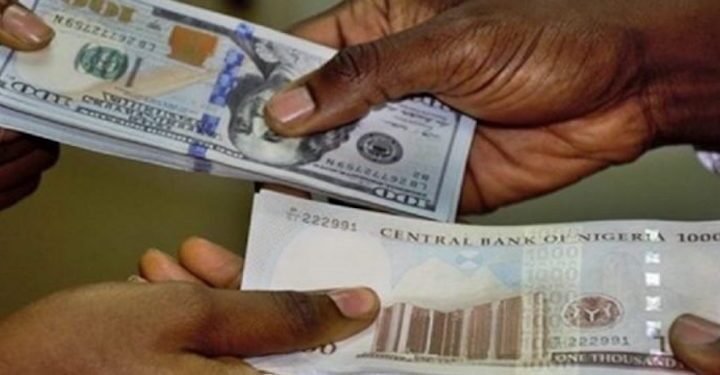

A domiciliary account is a Nigerian bank account that holds foreign currency instead of naira. It can be useful if you receive payments in US dollars, pounds sterling or euros, work with international clients, receive money from family abroad, pay foreign school fees, or need to make eligible international payments.
Unlike a normal naira account, your balance remains in the currency received until you decide to withdraw, transfer, spend or convert it. The final amount you receive in naira may depend on your bank’s conversion rate, charges and the service used.
What Is a Domiciliary Account?
A domiciliary account is a foreign-currency savings or current account offered by Nigerian banks. The Central Bank of Nigeria describes it as a foreign-currency-denominated savings or current account, such as a US dollar, pound sterling or euro account.
The most common account currencies are:
- US Dollar (USD)
- British Pound Sterling (GBP)
- Euro (EUR)
Some banks may also support other currencies. Confirm the available currencies, account type and transaction rules directly with your chosen bank before applying.
Who Can Open a Domiciliary Account in Nigeria?
Nigerian residents, Nigerians in the diaspora and eligible foreign residents may be able to open a domiciliary account, subject to the bank’s Know Your Customer (KYC), identification and compliance checks.
You may need a domiciliary account if you:
- Receive freelance or remote-work payments in foreign currency
- Receive international transfers from family, customers or business partners
- Earn export income
- Need to pay eligible overseas school fees, medical bills or subscriptions
- Travel frequently or make eligible foreign-currency transactions
- Want to keep foreign currency without converting it immediately to naira
Opening an account does not guarantee that every foreign-currency payment, withdrawal or transfer will be processed in the same way. Banks apply their own account terms and may request information about the purpose and source of funds.
Documents Required to Open a Domiciliary Account
Requirements differ by bank and account type. However, prepare the following before visiting a branch or starting an online application:
| Document or requirement | Why it may be needed |
|---|---|
| Valid means of identification | To confirm your identity |
| BVN and NIN, where required | For banking and KYC verification |
| Recent passport photograph | For account-opening records |
| Proof of address | Such as a recent utility bill or other accepted document |
| Completed account-opening form | To provide your personal and account details |
| Reference forms | Some current domiciliary accounts may require referees |
| Opening deposit | The amount and currency depend on the bank |
| Source-of-funds details | May be requested for compliance purposes |
Valid identification may include a National ID card, driver’s licence or international passport, depending on the bank.
For example, GTBank lists a signed domiciliary-account form and valid identification among its requirements. Access Bank also lists identification, proof of address, passport photographs and references for some domiciliary current-account products. Requirements, references, opening balances and charges can change, so check the current product page or speak with a bank representative before submitting documents.
How to Open a Domiciliary Account
1. Choose a Licensed Nigerian Bank
Start with a bank that offers the foreign currency you need. Compare:
- Supported currencies
- Minimum opening balance
- Monthly maintenance fees
- Cash deposit and cash-handling charges
- Inward-transfer fees
- Foreign-currency transfer charges
- ATM, debit-card or online-banking access
- Whether the account is savings or current
- Whether references are required
Choose based on how you will use the account. A freelancer receiving USD payments may prioritize inward-transfer support, while a student paying tuition may prioritize international transfer options and documentation support.
2. Decide on the Account Currency
Open the account in the currency you expect to receive or use most often.
For example:
- Choose a USD domiciliary account if you receive dollars from clients, Payoneer or overseas family.
- Choose a GBP account if you receive or pay pounds.
- Choose a EUR account for euro payments.
Opening the right currency account can help you avoid unnecessary conversions and extra spreads.
3. Complete the Account-Opening Form
You may be able to begin online, but some banks still require branch verification, physical documents, signature capture or reference forms.
Enter your name, address, contact details, occupation, BVN and next-of-kin details exactly as they appear on your identification records. Differences in names or dates of birth can delay verification.
4. Submit Your KYC Documents
Submit the required identity, address and supporting documents. A bank may ask further questions where a transaction is large, unusual or linked to business activity.
This is a normal compliance process. Keep records that show where your money comes from, such as invoices, client contracts, remittance receipts, payment-platform statements or salary records.
5. Fund the Account
Once the account is active, it can usually be funded through one or more of these methods:
- International bank transfer
- Eligible inward remittance
- Foreign-currency cash deposit, subject to bank policy and regulations
- Payment from an approved platform or business customer
- Transfer from another foreign-currency account
Always confirm the receiving bank’s SWIFT code, beneficiary name, account number, currency and any intermediary-bank details before asking someone to send money.
How Much Does It Cost to Open a Domiciliary Account?
The cost depends on the bank and account type. Possible charges include:
- Opening deposit
- Cash-handling fees
- Inward-transfer charges
- Outward-transfer charges
- Foreign correspondent-bank charges
- Debit-card fees
- Account maintenance charges, where applicable
- Currency-conversion spread when you sell foreign currency for naira
Do not choose an account only because it advertises a low opening balance. Ask for the full schedule of charges, especially if you will receive regular transfers or convert money to naira frequently.
Can You Receive Dollars Into a Domiciliary Account?
Yes. A domiciliary account may receive foreign-currency transfers in the account’s supported currency, subject to the bank’s procedures and compliance checks.
Before receiving a transfer, provide the sender with:
- Your full account name
- Your domiciliary account number
- The correct currency
- Bank name and branch details, if required
- SWIFT/BIC code
- Any intermediary-bank information requested by your bank
For international transfers, confirm whether the sender or recipient pays transfer and correspondent-bank fees. The amount credited can be lower than the amount sent when third-party fees are deducted.
Can You Withdraw Dollars From a Domiciliary Account?
Withdrawal options depend on the bank, available cash, account terms and applicable rules. You may be able to:
- Withdraw foreign currency at a branch
- Transfer foreign currency to another eligible account
- Use the funds for an eligible international payment
- Convert the funds to naira at your bank’s available rate
Ask the bank about notice periods, withdrawal limits, cash availability and charges before planning a large withdrawal.
Domiciliary Account vs Naira Account
| Feature | Domiciliary account | Naira account |
|---|---|---|
| Account currency | USD, GBP, EUR or another supported foreign currency | Nigerian naira |
| Best for | Foreign payments, remittances and international transactions | Everyday local payments |
| Exchange-rate exposure | Value in naira changes when the currency moves | Balance remains in naira |
| Foreign-currency receipt | Designed to receive eligible foreign-currency inflows | May receive naira after conversion, depending on the payment route |
| Conversion decision | You decide when to convert, subject to bank terms | Conversion may already have occurred |
Important Things to Check Before Opening One
Before you choose a bank, ask these questions:
- Which foreign currencies can I hold?
- Is this a savings or current domiciliary account?
- What is the minimum opening balance?
- Do I need references?
- What fees apply to receiving money from abroad?
- What cash-handling charges apply?
- What documents are required for outgoing transfers?
- Can I access the account through mobile or internet banking?
- How does the bank handle conversion to naira?
- What information will I need to provide for large or business-related inflows?
Frequently Asked Questions
Can I open a domiciliary account online?
Some banks allow you to start the application online, but may still require identity verification, signatures or physical documentation before activation. Check the bank’s current process.
Do I need a BVN to open a domiciliary account?
Many Nigerian banks require BVN and other KYC information for resident customers. Requirements may differ for diaspora customers and account types.
Can I use a domiciliary account for Payoneer payments?
It depends on Payoneer’s available withdrawal options, the bank’s supported receiving details and the currency of your account. Confirm the account details required by Payoneer and your bank before linking any account.
Is a domiciliary account the same as a dollar account?
A dollar account is one type of domiciliary account. Domiciliary accounts may also hold pounds sterling, euros and other supported foreign currencies.
Will I get the official dollar-to-naira rate when I convert money?
Not necessarily. A bank’s conversion rate, transfer-provider rate and the official CBN NFEM reference rate can differ because of timing, fees, spreads and transaction conditions. Check the rate and all charges before confirming a conversion.
Final Takeaway
A domiciliary account can help you receive, hold and use foreign currency more conveniently in Nigeria. The right account depends on whether you receive international payments, pay overseas fees, run a business or need a secure way to hold dollars, pounds or euros.
Prepare your identification, BVN or NIN details, proof of address and any references your chosen bank requires. Before opening the account, compare charges, funding options and withdrawal rules—not only the opening-balance requirement.
For context before converting funds, check Abiwin’s current Dollar to Naira Rate Today and confirm the final rate directly with your bank or payment provider.
Financial information only. Banking requirements, fees, foreign-exchange rules and account features may change. Confirm current terms with a licensed Nigerian bank before opening or funding an account.